
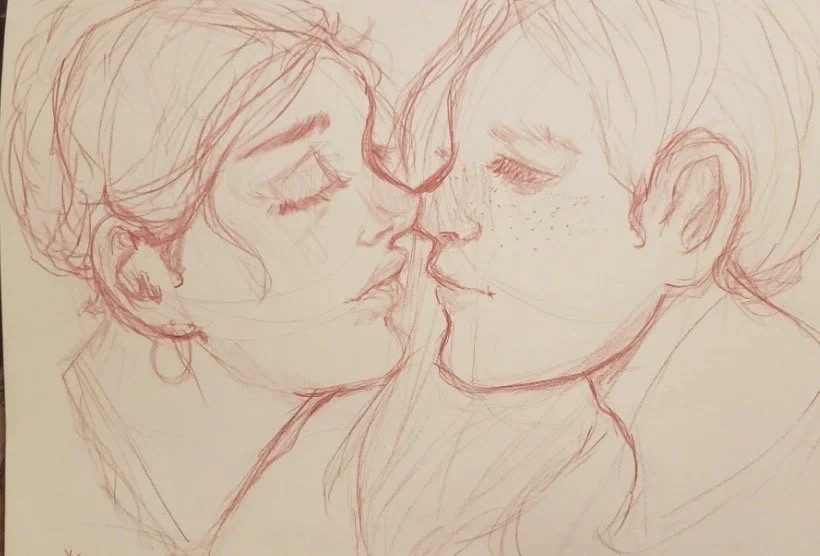
When Depression Took Away My Joy for Art….
and how I used it to get my creativity
There was a time when creating felt like breathing.
I used to wake up with ideas running wild in my mind images, colors, stories, emotions all fighting to be let out. I didn’t create for money, for validation, or even for recognition. I created because it made me feel alive.
But then, slowly, something shifted.
At first, I thought it was just a dry spell that I’d get back to it when life calmed down. But life didn’t calm down. The stress built up, and with it came something heavier… quieter… darker. Depression.
And when it came, it didn’t steal my art all at once.
It was gradual, like watching the world lose its color one shade at a time….
Suddenly, the things that used to fill me with joy felt pointless. Picking up a pencil or brush felt exhausting. The act of creating something that once gave me energy now drained what little energy I had left.
I remember staring at my sketchbook one day, waiting for that spark to come back. It didn’t. I felt numb. I felt disconnected from everything I used to love. And that was the hardest part losing not just my passion, but the part of myself that found meaning in it.
Depression doesn’t just make you sad. It empties you. It convinces you that the things you love don’t matter, that your art doesn’t matter, that you don’t matter.
And for a while, I believed it.
But art even when you can’t touch it waits for you.
It doesn’t disappear; it just gets quiet. It’s patient. It hides somewhere deep inside you, waiting for the day when you have enough strength to reach for it again.
And I’m starting to reach again. Slowly. Carefully.
I’ve learned that healing doesn’t mean jumping back into who you were before. It means meeting yourself where you are now. It means forgiving yourself for the silence, for the stillness, for the time you couldn’t create.
Some days I still struggle. Some days the page stays blank. But other days on the good ones I can feel that small flicker again. A color, a line, a feeling. A reminder that I’m still here. That my art is still mine.
Depression may have dimmed my light for a while, but it didn’t extinguish it.
It just taught me how fragile and precious that light truly is and how deeply I want to protect it.
So if you’ve lost your joy for art, please don’t lose hope.
It’s still inside you, waiting to be rediscovered waiting for the moment when you’re ready to feel again.
And when that moment comes, even if it’s just a single brushstroke or a few shaky words on a page that’s enough. That’s where the healing begins.
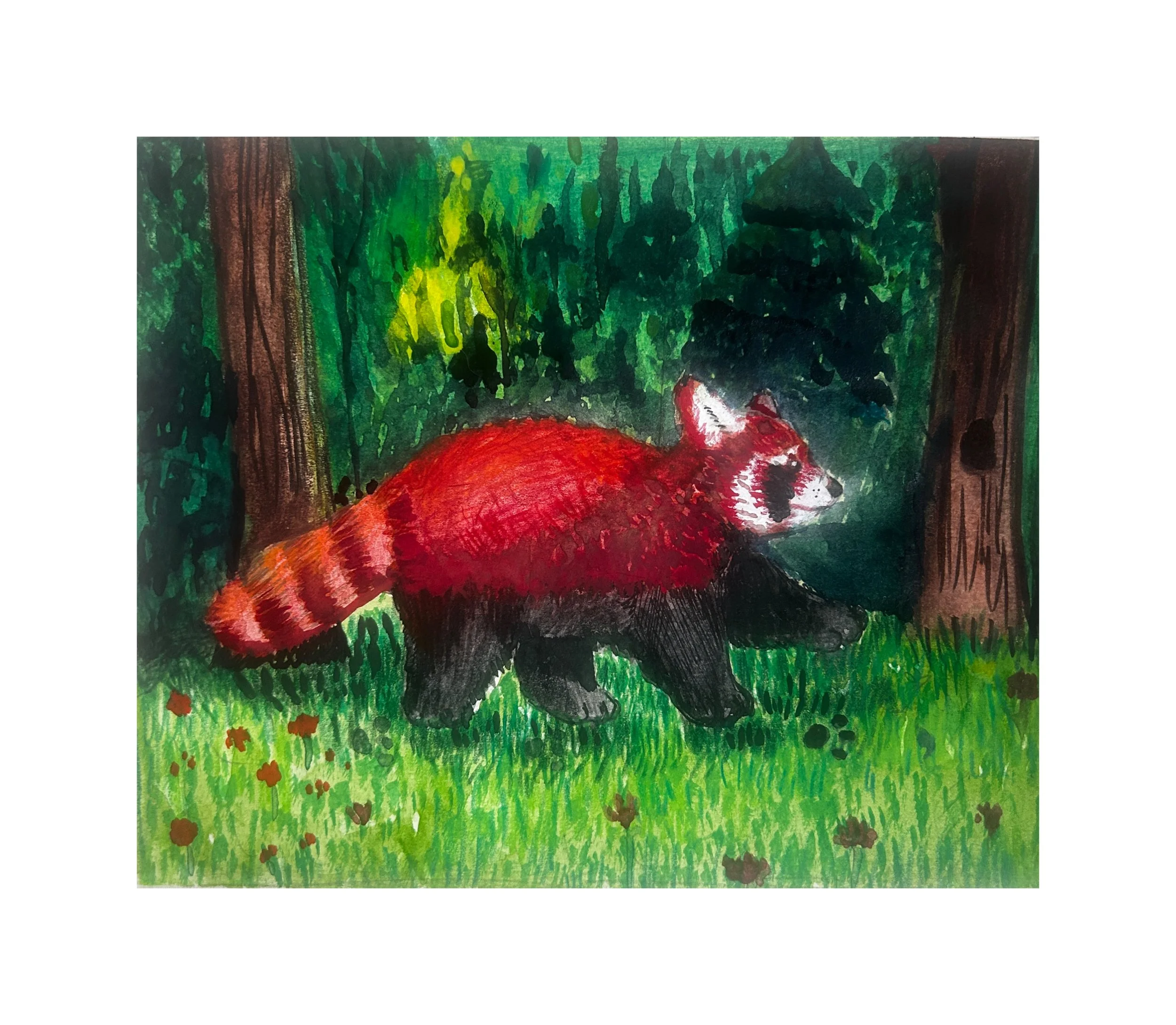
Trial and Error
And how it shaped an idea
What I’m Learning While Writing a Children’s Book
If you’d told me a few years ago that I’d be writing a children’s book, I probably would’ve laughed. Not because I didn’t love stories I always have but because I lost touch with the part of myself that believed I could create them.
Starting this project has felt like rediscovering an old friend that curious, imaginative version of me I thought had disappeared under the weight of adulthood, stress, and doubt. Writing for children has reminded me what it means to see the world through fresh eyes to find magic in small things and meaning in the simplest moments.
But I’ll be honest: it hasn’t been easy.
Writing a children’s book sounds lighthearted, but it’s one of the most emotionally vulnerable things I’ve ever done. Kids don’t fake their reactions they either feel it or they don’t. That forces you to write with truth. To strip away pretense, ego, and overthinking, and just speak from the heart.
Here’s what I’m learning along the way:
1. Simplicity is powerful.
When I first started, I wanted every sentence to sound “literary.” But writing for children taught me that beauty doesn’t need complexity. The simplest words can carry the biggest emotions if they’re honest.
2. You have to heal your inner child to write to children.
Somewhere between drafting storylines and shaping characters, I realized I wasn’t just writing for kids I was writing for me. For the younger version of myself who needed reassurance, wonder, and hope. Each page feels like a conversation between who I was and who I’m becoming.
3. Imagination takes trust.
Adults spend so much time trying to make sense of everything. Kids? They just believe. Writing this story has forced me to loosen my grip on logic and let creativity lead the way to let a tree talk, a cloud dance, or a lonely character find comfort in something unexpected. And somehow, that freedom feels like breathing again.
4. Progress matters more than perfection.
There are days I stare at my draft and think, This isn’t good enough. But I’m learning that children’s stories aren’t about flawless prose they’re about heart. Every time I sit down to write, even if it’s just one paragraph, I’m showing up for that heart.
5. The child inside me still believes in magic.
And maybe that’s the biggest lesson of all. Writing this book has reminded me that creativity isn’t something you lose it’s something you reconnect with when you give yourself permission to dream again.
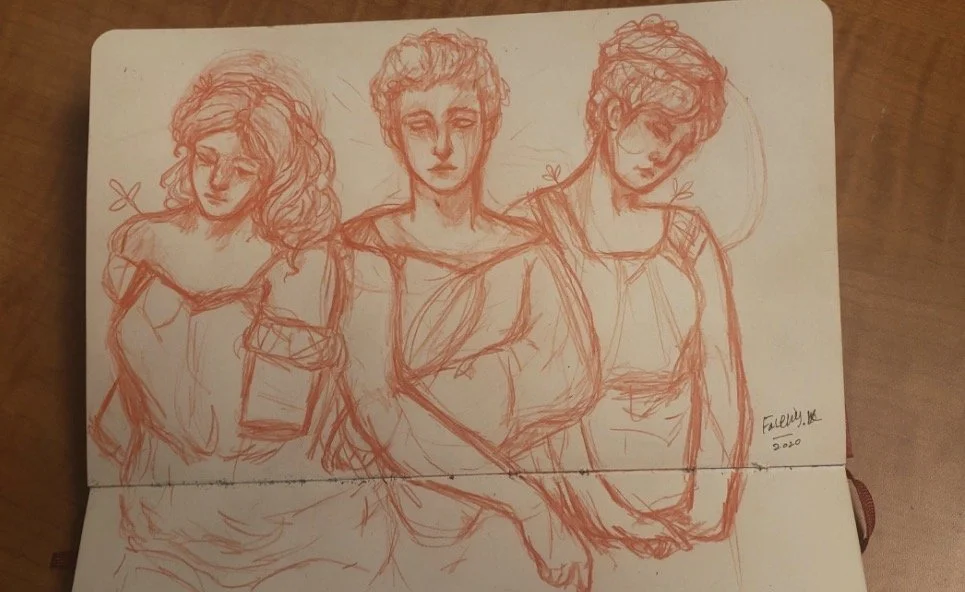
Finding Creativity again….
And finding myself with it
For years, I told myself I just wasn’t creative anymore.
I’d stare at blank pages, empty canvases, silent instruments whatever medium I used to love and feel absolutely nothing. It wasn’t that I didn’t want to create. I did. Desperately. But every time I tried, it was like my imagination had packed up and left without leaving a forwarding address.
Art block isn’t just frustrating…it’s personal. It makes you question your identity. You start to wonder: If I’m not creating, who am I?
I went through that spiral more times than I can count. I’d scroll through social media, watching others make incredible things, and feel this mix of admiration and envy. It wasn’t about comparison it was about longing. I wanted to feel that spark again.
And one day, quietly, I did.
It didn’t happen in some cinematic moment. There were no fireworks, no “aha!” scene with inspirational music playing in the background. It was small. I doodled something silly on a napkin one morning. I didn’t overthink it, I didn’t plan it. It wasn’t “good.” But it was mine.
That’s how it started slow, gentle, and imperfect.
I realized that part of what killed my creativity was pressure. I expected masterpieces every time I picked up a pen or brush. I forgot what it felt like to play to make a mess, to create just because it felt good. Creativity isn’t a faucet you turn on and off; it’s more like a garden that needs care, patience, and sometimes a bit of wildness to grow again.
So I stopped waiting for inspiration and started creating through the block. Some days, all I managed was a few rough sketches or a short journal entry. Other days, I felt that familiar flow return the one that makes time disappear.
Now, I understand that creativity doesn’t vanish; it just hides when it needs rest. It waits quietly for you to slow down, look inward, and remember why you ever started creating in the first place.
If you’re stuck right now, please don’t give up on your art. Don’t give up on yourself.
Start small. Start messy. Start anywhere.
Your creativity is still there it’s just waiting for you to come home to it.